
August 27, 2026
How to Sort Through Clutter: The Ultimate Keep, Donate, Sell, or Toss Guide
Learn how to declutter your home using the simple keep, donate, sell, or toss method. Sort your belongings confidently and clear clutter one area at a time.
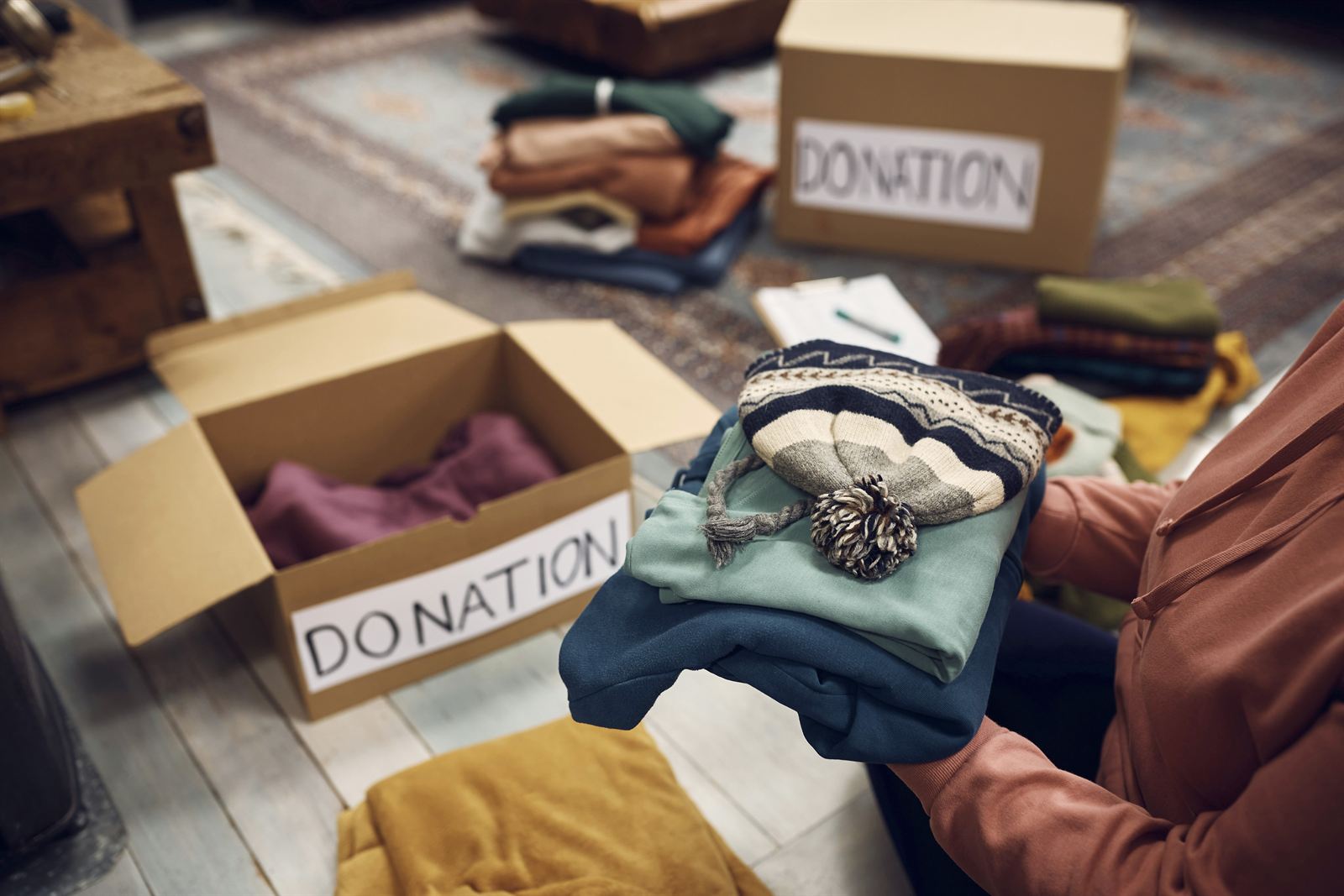
Sometimes it feels as though more belongings enter our homes than leave them. Before long, closets fill up, storage space disappears, and countertops, desks, and tables become collection points for everything that doesn’t have a home.
If you’re feeling overwhelmed by clutter, you don’t need to organize your entire house at once. A simple four-pile decluttering method can help you decide what to keep, donate, sell, or toss, one manageable area at a time.
This guide will walk you through an easy, repeatable process for sorting your belongings, clearing unnecessary clutter, and creating a more peaceful, organized home.
Why Is Decluttering So Hard?
Decluttering can feel emotional, frustrating, and even boring. Our belongings may carry sentimental value, represent money we’ve spent, or remind us of a particular person or time in our lives.
You may feel guilty about letting go of a gift, regret spending money on something you rarely used, or worry that you might need an item someday. These feelings can make even simple decluttering decisions surprisingly difficult.
The four-pile method makes the process easier by giving every item a clear destination. Instead of asking only, “Should I get rid of this?” you can decide whether the item belongs in one of four categories: keep, donate, sell, or toss.
Use the Four-Pile Decluttering Method
The four-pile decluttering method is a simple sorting system that can be used in nearly any area of your home.
Label four boxes, baskets, bins, or designated spaces:
· Keep
· Donate
· Sell
· Toss or recycle
As you sort, place each item into one of these categories. Avoid creating too many additional piles, since extra categories can make the process more complicated.
What to Keep
Keep items that you currently use, need, or genuinely value. These might include:
· Clothes and shoes that fit and that you enjoy wearing
· Household items you use regularly
· Seasonal decorations or equipment you use each year
· Tools that serve a clear purpose
· Meaningful family heirlooms
· Special, one-of-a-kind gifts
· Important documents and records
Keeping an item should be an intentional decision, not simply the easiest way to avoid deciding.
What to Donate
Donate items that are still clean, safe, and useful but no longer serve you. Examples include:
· Clothing, coats, and shoes in wearable condition
· Books you’ve finished and don’t plan to reread
· Kitchenware and household items you no longer use
· Extra office or craft supplies
· Toys your children have outgrown
· Linens that are clean and in good condition
· Duplicate items you don’t need
Before donating, check the organization’s current guidelines. Donation centers may not accept every type of item.
What to Sell
Consider selling belongings that are in good condition and have enough resale value to justify your time. Potential items include:
· Designer or name-brand clothing
· Handbags and accessories
· Barely worn shoes
· Furniture and home décor
· Working electronics
· Baby gear
· Collectibles
· Unused items in their original packaging
Be realistic about the time required to photograph, list, communicate about, and deliver or ship an item. If something is unlikely to sell for a worthwhile amount, donating it may be the better choice.
Set a deadline for your sell pile. If an item hasn’t been listed or sold within a set period, such as two or four weeks, consider donating it instead.
What to Toss or Recycle
Dispose of items that are broken, unsafe, expired, contaminated, or too damaged to donate. This may include:
· Broken household items that cannot be repaired
· Badly stained or torn clothing
· Expired food, cosmetics, or household products
· Items affected by mold or significant pet damage
· Puzzles and games with essential missing pieces
· Unusable papers and packaging
· Worn-out items that cannot be donated
Recycle whenever an appropriate local option is available. Electronics, batteries, chemicals, medications, and certain household materials may require special disposal rather than regular trash.
Start With One Small Area
Trying to declutter your entire home at once can quickly become overwhelming. Instead, choose one small, clearly defined area, such as:
· A pantry shelf
· The cabinet beneath the bathroom sink
· One dresser drawer
· An office closet
· The space beneath the bed
· A kitchen countertop
· One section of your wardrobe
Focusing on a small space gives you a clear finish line. Completing that first area also provides a sense of accomplishment that can motivate you to continue.
You can make the project even more manageable by setting a timer for 15 minutes. You may be surprised by how much you can sort in a short, focused session.
Gather a Few Simple Decluttering Supplies
You don’t need to purchase special organizing products to begin. Gather four containers you already own, such as laundry baskets, cardboard boxes, reusable shopping bags, or storage bins.
Label each container keep, donate, sell, or toss. You may also want:
· A recycling bag or box
· A cleaning cloth
· Masking or painter’s tape for labels
· A permanent marker to write on the labels
· Your phone for photographing items you plan to sell or want to remember
Once you finish sorting, each group will already be contained and ready for its next step.
Questions to Ask When Deciding What to Keep
When you’re unsure about an item, ask yourself:
· Have I used this during the past year?
· Would I buy it again today?
· Does it support my current life and routines?
· Am I keeping it because I love it or because I feel guilty?
· Is it truly sentimental, or is it simply old?
· If it’s a clothing item, does it fit me today?
· Do I own another item that serves the same purpose?
· Would I notice if this item were gone?
· Is it worth the space required to store it?
· If I needed it later, would it be difficult or expensive to replace?
You don’t have to answer every question the same way. The purpose is to understand why you’re keeping the item and whether that reason still makes sense.
How to Handle Sentimental Items
Sentimental belongings are often the hardest things to declutter, so don’t begin with them if you’re new to the process. Build confidence by sorting easier areas first.
When you’re ready, try these approaches:
· Keep a small, carefully chosen collection instead of every item.
· Take a photograph before letting something go.
· Write down the memory associated with the object.
· Pass a family item to someone who will use or appreciate it.
· Display a meaningful item instead of leaving it packed away.
· Create one memory box with a defined size limit.
Remember that letting go of an object does not erase the person, experience, or memory connected to it.
If you truly cannot decide, place the item in a clearly labeled “maybe” box. Add a review date, such as two weeks or one month later, so the box doesn’t become permanent storage for delayed decisions.
Where to Donate Unwanted Items
Depending on the item and local requirements, possible donation destinations include:
· Local thrift stores
· Homeless shelters
· Domestic violence support organizations
· Schools and daycare centers
· Libraries
· Animal shelters
· Veterans’ organizations
· Hospitals or care facilities
· Community centers
· Local mutual-aid or neighborhood groups
Contact an organization or review its website before dropping items off. Needs and acceptance policies can change.
Where to Sell Used Belongings
Options for selling unwanted items may include:
· Facebook Marketplace
· Local online marketplaces
· Consignment stores
· Specialty resale platforms
· eBay
· Garage or yard sales
· Flea markets
· Local vendor markets
Choose the selling method that makes sense for the item. Local pickup may work well for furniture, while specialty platforms may attract more buyers for designer clothing or collectibles.
Protect your personal information and follow appropriate safety precautions when meeting local buyers.
How to Dispose of or Recycle Items Responsibly
Depending on local regulations and available services, disposal options may include:
· Curbside trash and recycling
· Municipal disposal facilities
· Household hazardous-waste collection sites
· Electronics recycling centers
· Textile recycling programs
· Community bulk-trash days
· Battery collection sites
· Medication take-back programs at participating pharmacies or police departments
Never place chemicals, electronics, batteries, or medications in household trash without checking your local disposal rules.
Try the One-In, One-Out Rule
Decluttering will have a longer-lasting effect if you also reduce the number of unnecessary items entering your home.
The one-in, one-out rule is simple: whenever you bring home a new item, choose a similar item to donate, sell, recycle, or discard. For example, when you buy a new shirt, remove an older shirt you no longer wear.
This habit helps prevent clutter from gradually rebuilding and encourages more thoughtful purchases.
Don’t Forget to Finish the Process
Sorting is only part of decluttering. The project isn’t complete until each pile reaches its destination.
When you finish sorting:
· Return the keep items to their proper places.
· Put donations in your vehicle or schedule a pickup.
· Photograph and list items you plan to sell.
· Take recycling to the appropriate collection point.
· Dispose of trash safely and promptly.
Try not to leave donation bags or sell boxes sitting in your home for weeks. Give yourself a specific deadline for completing these final steps.
Start Decluttering Today
The easiest way to begin decluttering is to start small. Gather four boxes, baskets, or bags and label them keep, donate, sell, or toss. Then choose one drawer, shelf, cabinet, or other manageable area.
Sort each item into the appropriate category and follow through by putting away, donating, listing, recycling, or disposing of everything you’ve sorted.
Some decisions may take longer than others, especially when sentimental belongings are involved. Give yourself patience but use deadlines to keep uncertain items from becoming permanent clutter.
By repeating this simple keep, donate, sell, or toss method whenever clutter begins to build, you can create a home that feels calmer, more functional, and easier to maintain.