
August 25, 2026
Pantry Organization Ideas for Small Spaces
Discover practical pantry organization ideas for small spaces, including labeled containers, storage bins, shelf risers, pantry zones, and no-pantry solutions.
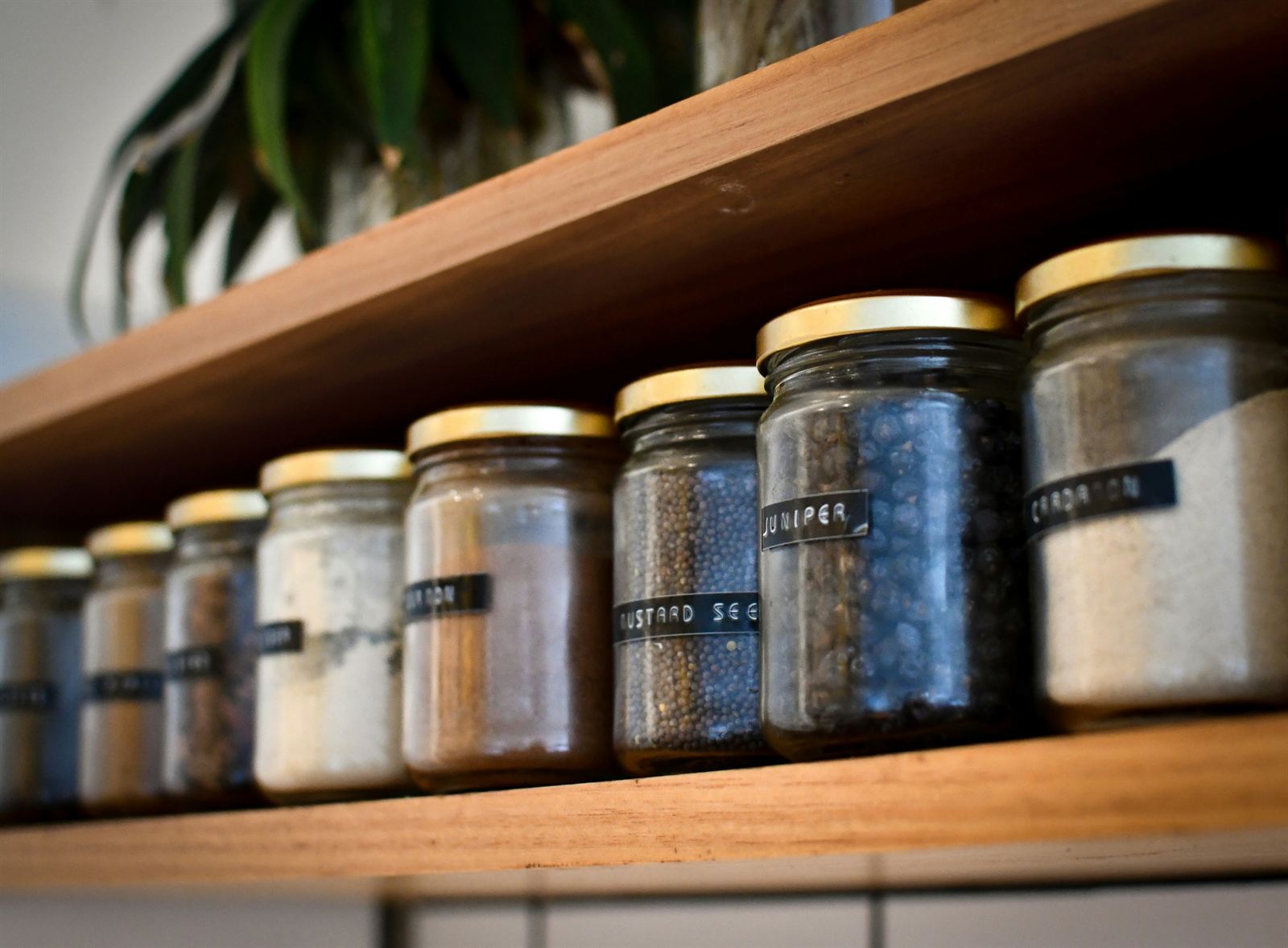
A small pantry can quickly become overcrowded and disorganized. Food gets pushed to the back, ingredients expire before you can use them, and finding a quick snack becomes harder than it should be, especially for children.
Fortunately, you don’t need a large walk-in pantry to create practical, accessible food storage. These small pantry organization ideas can help you make the most of a compact kitchen, apartment pantry, kitchen cabinet pantry, or any other limited storage area.
Maximize Vertical Pantry Space
When organizing a small pantry, every inch matters. Instead of focusing only on shelf space, look for ways to use the empty areas above, below, and behind your existing storage.
Stackable shelf risers can double the usable space inside a cabinet or pantry. Over-the-door pantry organizers are another smart option for storing spices, snacks, condiments, or canned goods without taking up valuable shelf space.
You can also stack sturdy bins or cubbies vertically, beginning at floor level, to create additional storage. If your pantry has an unused wall, consider adding wall-mounted shelves or baskets for cereal, pasta, peanut butter, canned foods, sauces, and baking ingredients.
Before purchasing organizers, measure your pantry shelves, cabinets, and doors. Choosing storage products that fit properly will help you avoid wasting space.
Use Clear Containers and a Simple Decanting System
Food packaging comes in many shapes and sizes, making pantry shelves difficult to organize. Decanting dry goods into uniform containers can create a cleaner, more functional pantry while making ingredients easier to see.
Clear, airtight food storage containers work especially well for:
Cereal
Pasta and rice
Flour and sugar
Oats and grains
Baking ingredients
Crackers and snacks
Choose stackable containers whenever possible to maximize vertical storage. Label each container with its contents and, if helpful, its expiration date or cooking instructions. This makes it easier for everyone in the household to find what they need.
You don’t have to decant everything. Foods used infrequently or items that already come in practical packaging can remain in their original containers. A pantry organization system should save time and not create another household chore.
For individually packaged snacks, use small open bins or baskets placed at eye level for the people who use them. A child-friendly snack station allows little ones to choose an approved snack without searching through the entire pantry.
Clear containers and visible labels can also reduce food waste. When you can easily see what you have, you’re less likely to buy duplicates or let forgotten food expire at the back of a shelf.
Organize Pantry Shelves with Bins and Baskets
Grouping similar items together is one of the easiest ways to organize pantry shelves. Instead of placing groceries wherever they fit, create simple categories based on how your household cooks and eats.
Useful pantry storage solutions include:
Bins and baskets: Use them for baking supplies, breakfast foods, snacks, drink mixes, or bulky bags of chips and pretzels.
Turntables or Lazy Susans: These are ideal for oils, sauces, condiments, spreads, and small jars that might otherwise disappear in a corner.
Shelf risers: Add another level for canned foods, jars, dishes, or cookware without installing a permanent shelf.
Pull-out baskets: Make it easier to reach items stored in deep pantry cabinets.
Can organizers: Keep canned goods visible and prevent them from becoming scattered across a shelf.
Labeling bins by category such as “Breakfast,” “Baking,” “Pasta,” or “Kids’ Snacks” helps the entire family maintain the system. Keep everyday essentials within easy reach and store less frequently used items on higher or lower shelves.
Create Zones in a Small Pantry
Pantry zones give every category a designated home. This makes groceries easier to unpack and helps prevent clutter from returning.
Depending on your needs, you might create zones for:
Breakfast foods
Canned goods
Pasta, rice, and grains
Baking supplies
Snacks
Sauces and condiments
Backstock or extra groceries
Place the foods you use most often between waist and eye level. Store heavy items on lower shelves to make them safer and easier to handle. Reserve upper shelves for lightweight supplies or items you use only occasionally.
A small “use first” bin can also help prevent waste. Place foods that are close to their expiration dates in this bin, so your family knows which items to eat first.
Small Kitchen Storage Ideas When You Don’t Have a Pantry
If your kitchen doesn’t include a pantry, you can create pantry-style storage using furniture, cabinets, walls, and doors.
A rolling kitchen cart provides flexible food storage and can be moved whenever you need more floor space. You can also repurpose a bookshelf, hutch, bar cabinet, or utility cart as a freestanding pantry. If the shelves are open, matching baskets and containers can keep the space looking tidy.
Other no-pantry storage ideas include:
Installing wall-mounted baskets or floating shelves
Adding door-mounted racks for spices, plastic wrap, and aluminum foil
Using pull-out drawers or baskets inside deep cabinets
Adding shelf risers to kitchen cabinets
Storing dry goods in stackable containers
Using the sides of cabinets for narrow racks or lightweight organizers
Adding magnetic baskets to the side of your refrigerator
Keeping extra groceries in labeled bins in a nearby closet
If you rent your home, look for removable hooks, freestanding shelves or bins, and over-the-door organizers. These renter-friendly pantry solutions add storage without requiring permanent installation.
Keep Your Pantry Organization System Simple
An attractive pantry is nice, but a practical pantry is more important. The best small pantry organization system is one your household can maintain.
Avoid creating too many categories or using containers that are difficult to open, refill, or clean. Leave a little empty space for new groceries and make sure frequently used foods are easy to put away.
Take a few minutes each week to return misplaced items to their zones and check for food that should be used soon. Every few months, remove expired products, wipe down the shelves, and adjust the system if it is no longer working for your household.
Start Organizing Your Small Pantry Today
Organizing a small pantry or tiny kitchen may feel overwhelming, but you don’t have to complete the entire project at once. Begin with the area causing the most frustration, whether that is one shelf, cabinet, drawer, or snack bin.
Remove everything from that space, discard expired food, group similar items, and decide which pantry organizers will make the area more functional. Once that section is complete, move on to the next one.
Affordable tools such as clear containers, bins, baskets, shelf risers, and rolling carts can make a noticeable difference. Many are also renter-friendly and can move with you to your next home.
With a simple plan and the right small-space pantry storage solutions, you can create a kitchen that is easier to use, easier to maintain, and far less wasteful. Best of all, everyone in the family will know where to find what they need.