
August 12, 2026
Small Entryway Shoe Storage: How to Organize a Narrow Space
Discover practical small entryway shoe storage ideas, including narrow cabinets, baskets, benches, and other space-saving solutions.
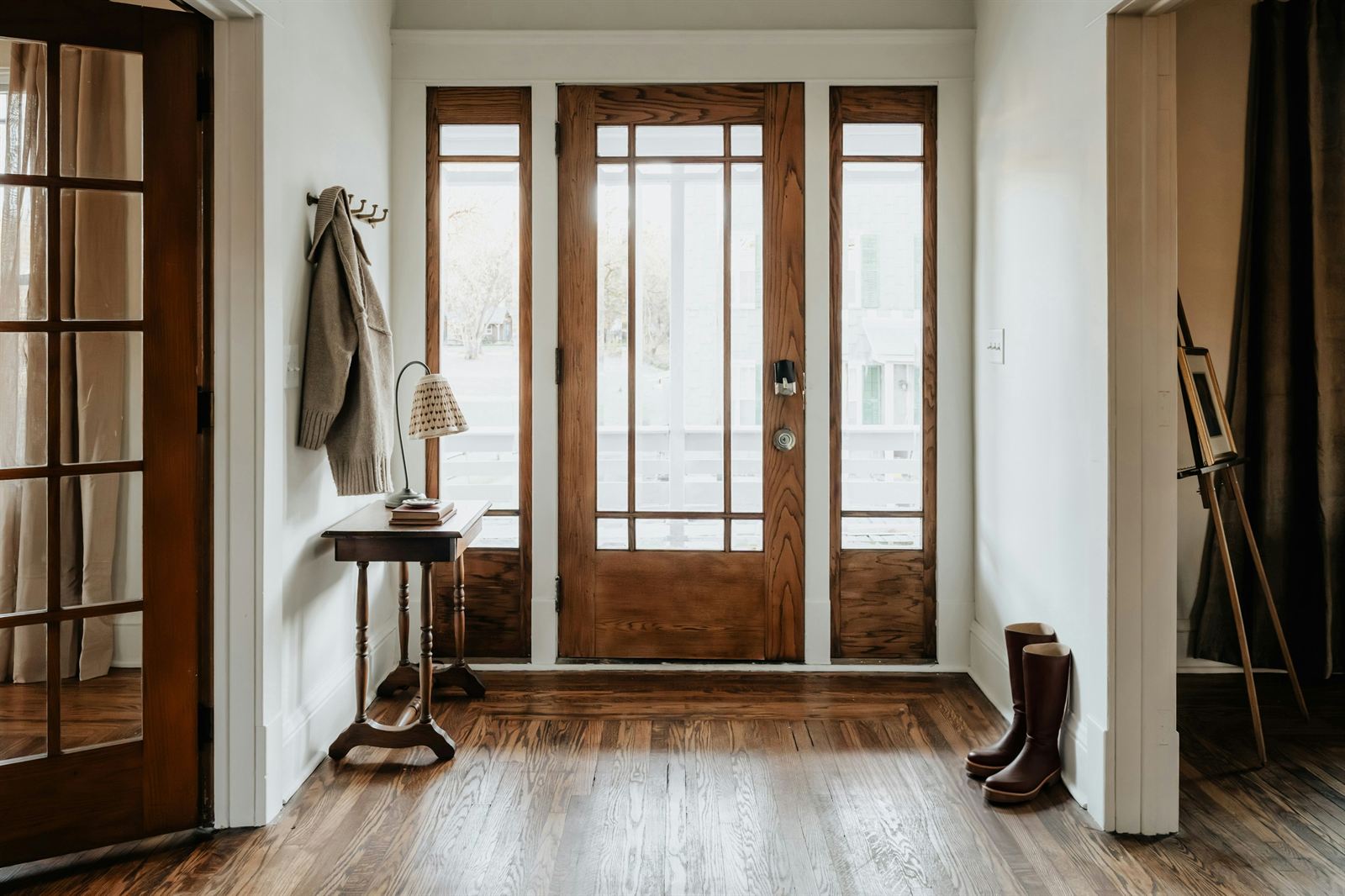
Your entryway is one of the first things that people see when they enter your home, but when you’re working with a small space, keeping it organized isn’t always easy. Shoes pile up by the door, keys land wherever there is room, and umbrellas, bags and other everyday items quickly add to the clutter.
Fortunately, a small entryway doesn’t have to feel cramped or disorganized. With the right shoe storage solution and easy organization habits, you can create an entryway that’s both practical and welcoming.
Why small entryways need a different approach
Small entryways come with their own set of challenges. You may have limited wall space, doors that swing inward, and nearby stairs or walkways. Add several pairs of shoes to the floor, and getting through the front door can feel like an obstacle course.
That’s why choosing storage designed for a small or narrow space is important. The goal isn’t to simply get your shoes off the floor. You want storage that makes effective use of the space you have without interfering with the way you move through your entryway.
The right piece can also do double duty, giving you a convenient place for keys, sunglasses, mail, and other things you grab on your way out the door.
Start by measuring your space
Before falling in love with a shoe cabinet or bench, measure your entryway carefully. A cabinet that looks slim online can feel surprisingly large once it’s sitting next to your front door.
Start by measuring the width and depth of the available space. If you’re considering wall-mounted shoe storage or shelving, measure the available height as well.
Don’t forget to account for anything that could interfere with your new storage, including:
Doors and how they open
Windows and trim
Stairways and railings
Heating vents and electrical outlets
Walking paths through the entryway
You may even want to use painter’s tape to mark the dimensions of a cabinet on the floor or the wall. This gives you a better idea of how much space it will take up before you buy it.
Choose shoe storage that fits your space and your life
Once you know how much room you have, think about how your household uses the entryway.
How many people live in your home? How many pairs of shoes typically collect near the door? Do you need room for sneakers and flats, or do you also need to accommodate boots and larger shoes? Would you rather keep shoes hidden or easy to grab and go?
There isn’t one storage solution that works for every small entryway. Depending on your space and needs, you might consider:
Narrow or slim shoe cabinets
Flip-drawer shoe cabinets
Small shoe racks
Storage benches
Baskets, bins, or cubbies
Wall-mounted shoe storage
For an especially narrow entryway, a slim cabinet with flip-down compartments can be a great option because it uses vertical space without extending too far into the walkway. If you have a little more floor space, a storage bench can also give you a place to sit while putting on your shoes.
Looking for inspiration? Explore 10 Narrow Shoe Cabinet Ideas for Small Entryways.
Build better entryway habits
Finding the right storage is only half of the solution. A few small habits can keep your newly organized entryway from turning back into a drop zone.
Do a two-minute reset. Spend a couple of minutes each day returning shoes, keys, bags, and other items to their designated places. It’s much easier to maintain an organized entryway than to tackle a large pile of clutter later.
Create a landing zone for everyday essentials. Give the things you regularly bring in and out of the house a specific home. A small bowl or tray can hold keys and sunglasses, while hooks or baskets can organize dog leashes, umbrellas, bags and more.
Rotate shoes seasonally. You don’t need every pair of shoes you own stored by the front door. Move out-of-season shoes to bins or closets elsewhere in your home. Keep your valuable entryway storage space for the shoes you’re currently wearing most often.
Add a few decorative touches
Once you’ve solved the storage problem, you can have a little fun with the space.
A mirror above a narrow shoe cabinet can help a small entryway feel larger while giving you a convenient place for one last look before heading out the door.
If your shoe cabinet has a flat top, add a small tray or bowl for everyday essentials along with one or two decorative items. Keeping the accessories simple prevents the surface from becoming another source of clutter.
Most importantly, choose pieces that feel like they belong in your home. Your entryway may be small, but it can still reflect your personal style.
Create an entryway that feels good to come home to
A small, narrow entryway can be beautiful, welcoming, and organized. Start by measuring your space, choose shoe storage that works with the way your household lives, and give everyday items a designated place. Then keep it working with a quick daily reset and a seasonal shoe rotation.
You don’t need a large foyer to create an entryway that looks pulled together. Sometimes, the right narrow shoe cabinet, basket or storage bench is all it takes to turn a cluttered doorway into an entryway that feels good to come home to.