
August 26, 2026
Budget-Friendly Home Organization Ideas Using What You Already Have
Discover budget-friendly home organization ideas using jars, boxes, baskets, and other items you already own to declutter without overspending.
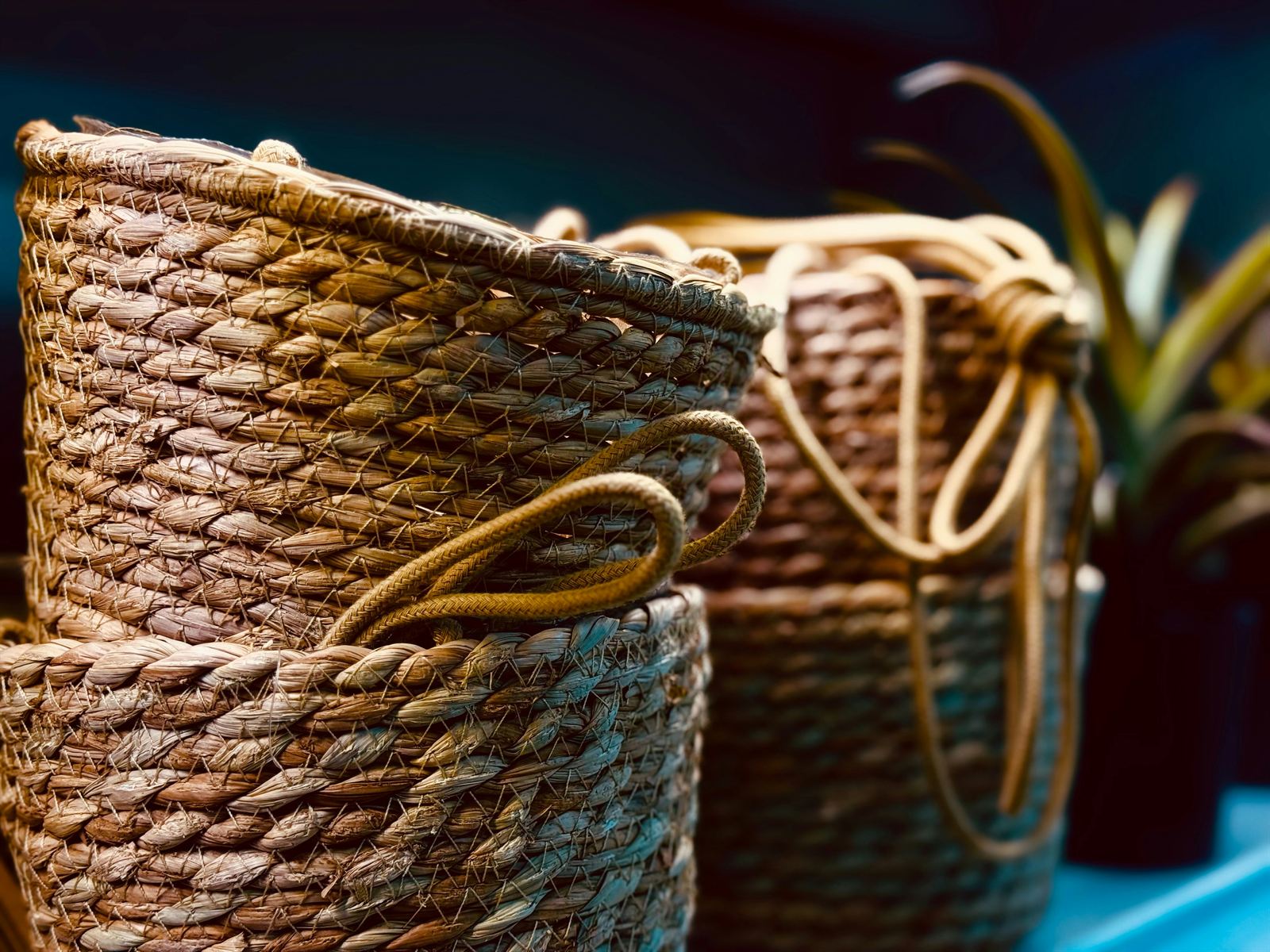
Getting your home organized doesn’t have to mean buying a cart full of matching bins, baskets, and storage containers. Some of the best budget-friendly home organization ideas begin with decluttering and repurposing items you already own.
With a little creativity and time, everyday objects such as jars, boxes, baskets, and unused furniture can become practical storage solutions. Here are some easy ways to organize your home without spending money.
Repurpose Jars and Kitchen Containers
Start by looking through your kitchen for jars and containers that can be reused instead of thrown away or recycled.
Mason jars, egg cartons, muffin tins, takeout containers, and food storage jars can organize all kinds of household items. Depending on the container, you might use it for:
Pantry staples
Leftovers
Jewelry and accessories
Nails, screws, and other hardware
Craft supplies
Small office supplies
Junk-drawer items
Before reusing food containers, wash and dry them thoroughly. Clear jars are especially helpful because you can see what’s inside without opening them.
These simple, no-cost storage solutions can make drawers, cabinets, and shelves feel more organized almost immediately.
Turn Old Boxes into Free Storage
Most homes have extra boxes from deliveries, gifts, shoes, or packaged food. Before getting rid of them, consider whether they could solve a storage problem somewhere in your home.
Here are a few easy ideas:
Use shoeboxes to organize closet shelves or store small items under the bed.
Turn sturdy cardboard boxes into storage for seasonal decorations, extra linens, or children’s toys.
Place small gift boxes inside drawers to separate socks, accessories, office supplies, or bathroom essentials.
Cut shipping boxes to different heights to create custom drawer dividers.
If mismatched boxes look too plain or cluttered, cover them with leftover wrapping paper, fabric, wallpaper, or contact paper. Using similar colors or patterns will give your DIY storage containers a more coordinated look.
Give Unused Furniture a New Purpose
Before purchasing new storage furniture, take a walk through your home and look for pieces that are unused or underused.
A small bookshelf can become bathroom storage for towels and toiletries. An old dresser can hold craft supplies, toys, linens, or seasonal clothing. A bar cart can provide flexible storage in a kitchen, office, bathroom, or laundry room.
You can also repurpose a decorative ladder to display blankets or hang towels. If empty suitcases are taking up closet space, fill them with seasonal clothing, extra bedding, holiday decorations, or travel supplies.
The goal is to make every item earn the space it occupies.
Organize With Everyday Household Items
Small household items can be surprisingly useful when you’re organizing on a budget.
Try these simple home organization hacks:
Use binder clips to group and label charging cords and cables.
Add a tension rod beneath a sink to hang spray bottles.
Use hooks for bags, cleaning tools, brushes, keys, or dog leashes.
Repurpose clip hangers to hold scarves, hats, gloves, or lightweight bags.
Use an over-the-door shoe organizer for cleaning supplies, toys, snacks, craft materials, toiletries, or office supplies.
Place ice cube trays or muffin tins inside drawers to sort tiny items.
Use empty tissue boxes to store plastic grocery bags.
Look at what you already have before buying an organizing product. You may discover that the perfect solution is sitting unused in another room.
Declutter Before You Organize
Organizing items you don’t need only creates neater clutter. Before choosing containers or rearranging shelves, sort everything in the space.
Create four simple categories:
Keep
Donate
Recycle
Toss
Laundry baskets and cardboard boxes work well for sorting. Once you’ve decided what will remain in the room, group similar items together. Keeping like items in one place makes it easier to see what you own and prevents unnecessary purchases.
It also helps to place frequently used items within easy reach. Seasonal or rarely used belongings can go on higher shelves, under beds, or inside suitcases.
Learn more about How to Sort through Clutter: The Ultimate Keep, Donate, Sell, or Toss Guide.
Label Your Repurposed Storage
Labels make it easier for everyone in your household to find what they need and return it to the right place.
You don’t need an expensive label maker. Painter’s tape, masking tape, paper, and a permanent marker can create a simple labeling system for free. For a more polished look, print labels at home and attach them with clear tape.
Keep your labels clear and specific. Instead of writing “miscellaneous,” use descriptions such as “charging cables,” “school supplies,” or “cookie cutters.” Specific labels are much more helpful when you’re trying to maintain an organized home.
Work on One Small Area at a Time
You don’t have to organize your entire home in one weekend. In fact, tackling too much at once can make the process feel overwhelming.
Choose one manageable space, such as:
A junk drawer
One kitchen cabinet
A bathroom shelf
The area beneath the sink
A closet shelf
A small section of the pantry
Finish that area before moving to the next one. Small organizing projects create visible progress and make it easier to stay motivated.
Home Organization Doesn’t Have to Be Expensive
An organized home doesn’t require expensive storage products. By decluttering first and repurposing jars, boxes, baskets, furniture, and other everyday items, you can create practical storage without adding to your budget.
Walk through your home and look for items that are empty, unused, or not serving a clear purpose. Then move them to places where they can help contain clutter and make daily routines easier.
Remove what you no longer need, group similar belongings, label your containers, and give everything a home. Once you do, staying organized becomes much simpler. Best of all, these budget-friendly home organization ideas require little more than creativity, time, and items you already have.