
September 1, 2026
Garage Organization Ideas to Maximize Every Inch of Storage Space
Transform a cluttered garage with practical organization ideas, smart storage solutions, and simple tips to maximize every inch of space.
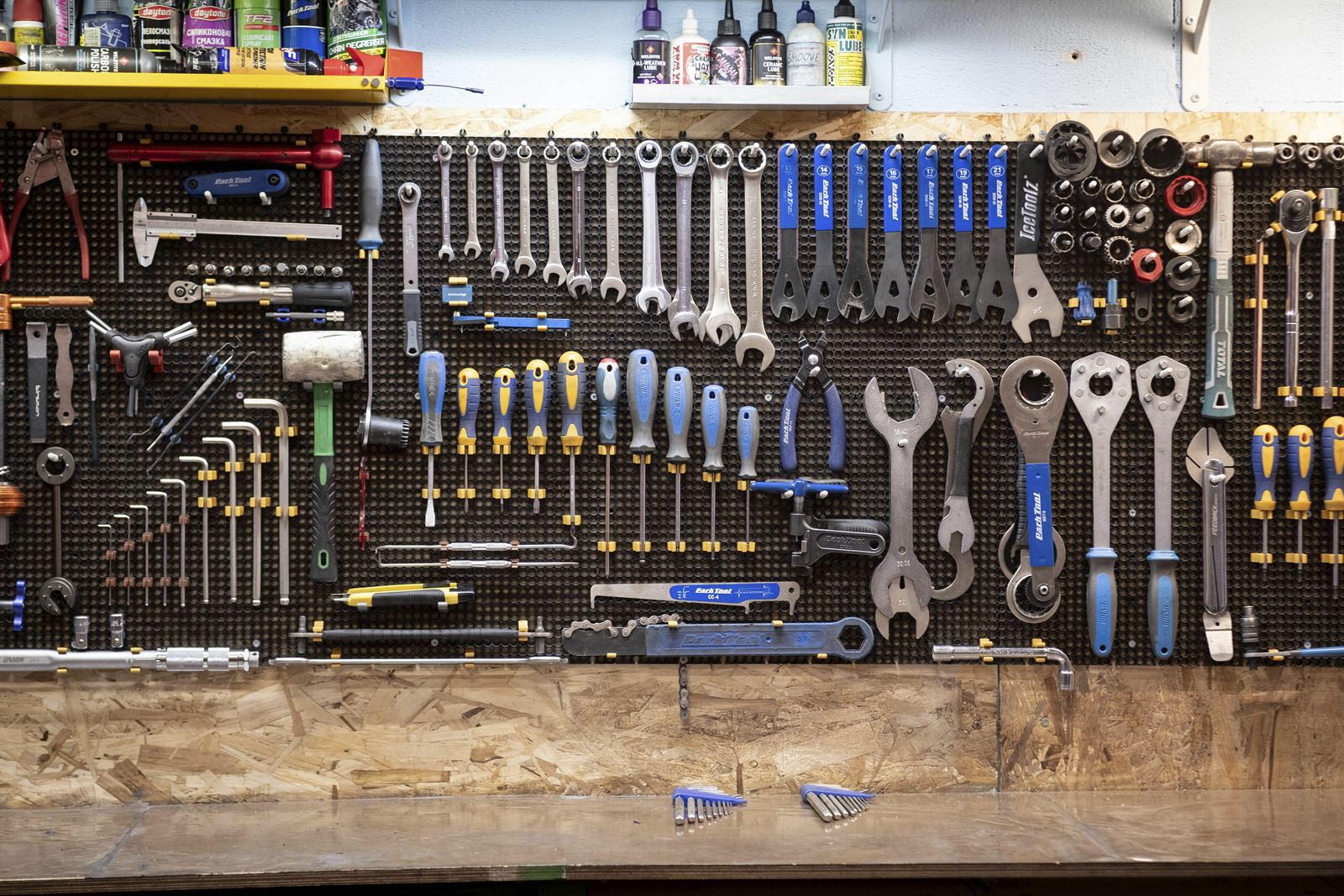
A garage is a convenient place to protect your vehicles from rain, snow, and harsh weather. Unfortunately, it can also become a catchall for tools, lawn equipment, automotive supplies, bicycles, sports gear, and seasonal decorations.
Unlike many rooms inside the home, garages rarely come with enough built-in storage. Without a clear system, clutter can quickly take over valuable floor space.
The good news is that you do not need a massive garage or a complete renovation to make a meaningful difference. With smart garage storage ideas and a little planning, you can use the walls, ceiling, cabinets, and work areas more effectively.
Ready to reclaim your garage? These practical garage organization ideas will help you create a cleaner, safer, and easier-to-use space.
Before You Start: Declutter and Sort
Before buying shelves, cabinets, or storage bins, take time to declutter your garage. Sorting everything first will show you what you need to store and how much storage space you have available.
Separate your belongings into four easy piles: keep, donate, sell, and toss (or recycle). Try to keep only the items you use, need, or genuinely want. Anything that belongs elsewhere in the house should be returned to its proper place.
You may also want to group the items you are keeping into categories, such as:
Lawn and garden supplies
Hand tools and power tools
Automotive products
Sports equipment
Holiday decorations
Camping and outdoor gear
Household supplies
Sorting by category makes it easier to create storage zones and choose the right garage organization products.
Explore How to Sort Through Clutter: The Ultimate Keep, Donate, Sell, or Toss Guide.
Zone 1: Make the Most of Wall Storage
Open walls offer some of the most useful storage space in a garage. Pegboards, wall-mounted shelves, slatwall panels, rails, and heavy-duty hooks can keep frequently used items visible and within reach.
Depending on the system you choose, wall storage can hold:
Hand tools and power tools
Rakes, shovels, and brooms
Ladders
Bicycles
Sports equipment
Extension cords
Lightweight storage bins
Measure the available wall space before purchasing a garage wall storage system. Be sure to account for windows, doors, light switches, outlets, and the space needed to open vehicle doors.
Always follow the manufacturer’s installation and weight guidelines. Use fasteners that are appropriate for your wall type, and check that shelves, hooks, and panels are securely attached before adding your belongings.
Zone 2: Use Overhead Garage Storage
When floor and wall space are limited, look up. The area near the ceiling can provide valuable storage for bulky items that you do not use every day.
Overhead garage storage racks are ideal for labeled bins containing:
Holiday decorations
Camping supplies
Seasonal sports equipment
Pool toys
Outdoor cushions
Other occasionally used items
Reserve ceiling storage for lightweight or moderately heavy belongings that you can safely lift and retrieve. Avoid placing frequently used items overhead and never exceed the rack’s stated weight capacity.
Before installing a ceiling-mounted storage system, confirm that it will not interfere with the garage door, tracks, lighting, vehicles, or other equipment. Leave enough clearance to move underneath the rack safely.
Zone 3: Add Shelving, Cabinets, and Storage Bins
If you prefer not to mount storage directly to the walls, freestanding garage shelving and cabinets offer a flexible alternative. These systems can be rearranged as your storage needs change.
Open shelving makes supplies easy to see, while enclosed garage cabinets create a cleaner appearance and help protect items from dust. Clear storage bins are useful when you want to identify the contents quickly. Opaque bins can reduce visual clutter, but they should be clearly labeled.
Arrange your shelves according to how often you use each item:
Keep everyday supplies at eye level.
Place heavy items on lower shelves.
Store occasionally used items higher up.
Store hazardous products in a secure location away from children and pets, and according to the manufacturer’s instructions.
Choose sturdy shelving designed to support the weight of your belongings. If a tall cabinet or shelving unit could tip, secure it according to the manufacturer’s instructions.
Zone 4: Create a Workbench and Tool Storage Area
Nails, screws, bolts, drill bits, and other small pieces can easily become mixed together or lost. A dedicated tool storage area keeps these items organized and gives you a convenient place to work on projects.
A tool chest, pegboard, drawer organizer, or workbench with built-in storage can help you arrange hand tools, power tools, hardware, and project supplies. Frequently used tools should be easy to reach, while specialty items can be stored in lower drawers or labeled containers.
Before buying a garage workbench or tool chest, measure the available area carefully. Consider both the width of the unit and the space you will need to open drawers or cabinet doors. If you plan to complete projects in the garage, look for a workbench with enough countertop space for your typical tasks.
It also helps to sort your tools before choosing a storage system. Knowing how many categories you have will make it easier to select a chest, cabinet, or bench that offers enough room. Make sure to select a storage unit that is large enough to add some new tools to your collection in the future.
Garage Storage Safety and Access Tips
A well-organized garage should be safe as well as attractive. Use these guidelines when arranging your storage:
Label every bin and box clearly.
Keep similar items together.
Store frequently used belongings at eye level.
Place heavy items on lower shelves.
Reserve higher shelves for lightweight, seasonal items.
Keep walkways, stairs, doors, and exits clear.
Leave enough room to park your vehicle and open its doors.
Store chemicals, sharp tools, and hazardous materials securely and according to the manufacturer’s instructions.
Follow all weight limits for shelves, hooks, cabinets, and overhead racks.
Avoid stacking bins so high that they become unstable or difficult to retrieve.
How to Organize a Garage in Six Steps
You can improve your garage organization without tackling everything in one day. Follow these simple steps:
Declutter the garage and decide what you want to keep.
Group the remaining items into practical categories.
Assign each category to a storage zone.
Measure each area before purchasing storage products.
Assemble and install your storage systems according to the manufacturer’s instructions.
Arrange and label everything based on weight and frequency of use.
Keep heavy belongings low, everyday essentials within easy reach, and seasonal items in less accessible spaces.
Start Small and Build a System That Works for You
Organizing a garage can feel overwhelming, especially if the space has collected clutter for several years. It can also become expensive if you try to purchase every storage solution at once.
Start with one wall, cabinet, or category. Once that area is working well, move on to the next part of the garage as your time and budget allow.
The best garage organization system is not necessarily the biggest or most elaborate one. It is the system that makes your belongings easy to find, safe to store, simple to put away, and best suited for you. With thoughtful planning, even a small garage can become a functional and organized extension of your home.