
September 3, 2026
How to Set Up and Run a Successful Yard Sale: A Step-by-Step Guide
Learn how to set up and run a successful yard sale with tips for pricing, organizing, advertising, and creating an easy-to-shop sale that attracts buyers.
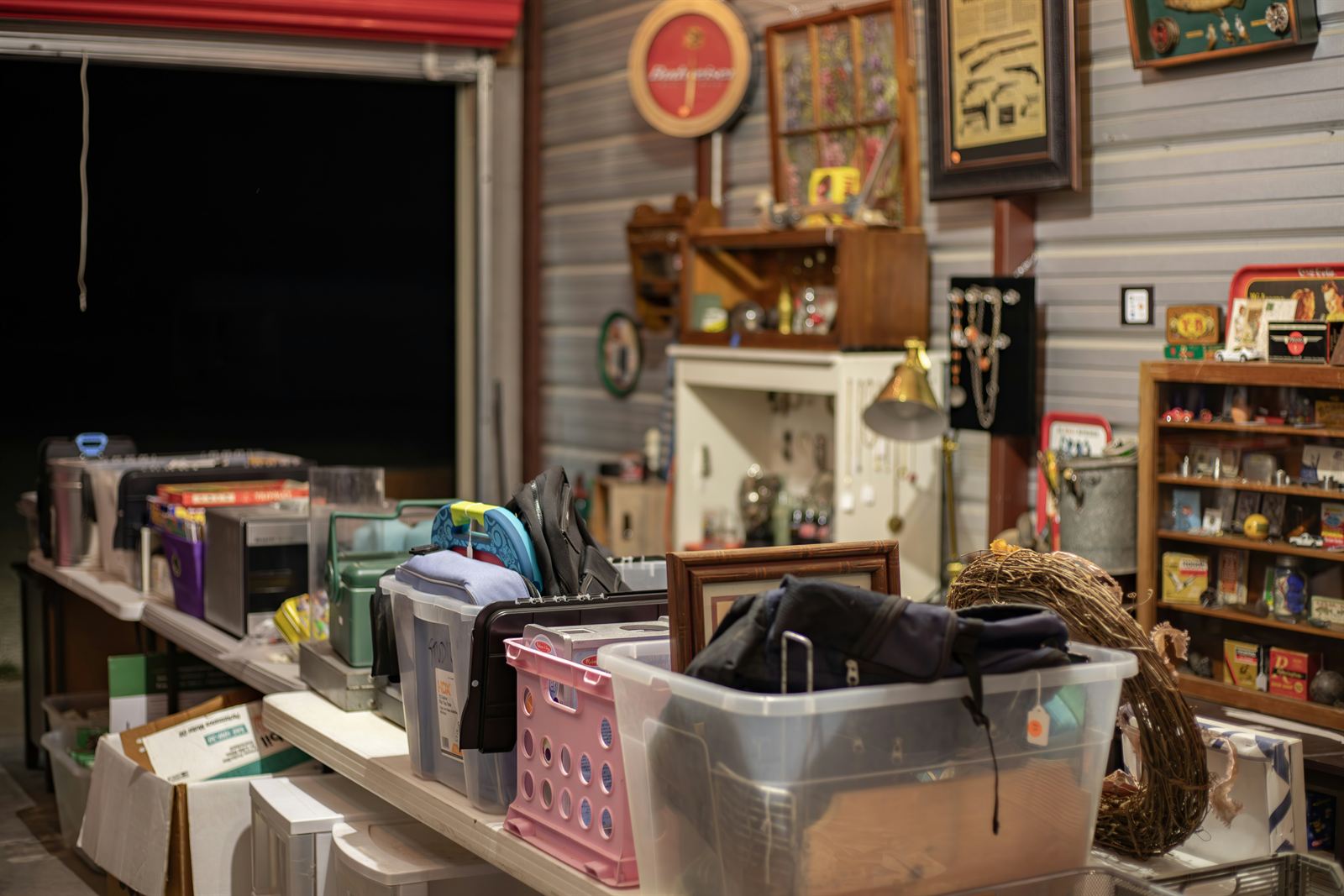
Whether you call it a yard sale or garage sale, a little planning can go a long way toward making the day run smoothly. From choosing what to sell and setting prices to advertising your sale and creating an easy-to-shop setup, there are a few things you can do ahead of time to make the experience easier.
Here’s a step-by-step guide to planning a successful yard sale and turning things you no longer use into a little extra cash.
Step 1: Decide What to Sell
Start by going through your home and deciding what you’re ready to part with.
Look for:
Duplicate items
Gifts or belongings you don’t use
Clothing and shoes that no longer fit or get worn
Working electronics and small appliances you no longer need
Furniture you’re ready to replace
Books, games, and DVDs
Exercise equipment
Toys your children have outgrown
Before putting anything in your sale, check that all the parts and pieces are included. Test electronics and small appliances to make sure they work and give dusty or dirty items a quick cleaning. Things that look cared for are likely to be more appealing to shoppers and may sell for a better price.
Explore How to Sort Through Clutter: The Ultimate Keep, Donate, Sell, or Toss Guide.
Step 2: Pick the Right Date and Time
Choosing the right date and time can make a difference in how many shoppers show up for your yard sale.
Think beyond what works best for your own schedule. Consider the day of the week, weather, and temperature, as well as major community events that could affect traffic in your area.
Weekends are a natural choice for many yard sales because more people are off work and have time to browse. Whatever day you choose, check the forecast as your sale gets closer and have a backup plan in case the weather doesn’t cooperate.
Step 3: Check Local Permits and Rules
Before you start advertising your yard sale, check whether your municipality or homeowners’ association has any rules you need to follow.
Some communities require yard sale permits or limit how many sales a household can hold each year. There may also be restrictions on where and when you can put up signs.
Checking the rules ahead of time can save you from having to make last-minute changes.
Step 4: Gather Your Yard Sale Supplies
Once you have your date selected and any required permits in place, start gathering everything you’ll need for your yard sale setup.
Tables, clothing racks, bins, and boxes can help you display merchandise and make it easier for people to shop. You’ll also want price stickers or tags, signs, a calculator, bags for purchases, and newspaper or packing material for wrapping breakable items.
Plan for checkout, too. Have plenty of small bills and coins available for change and keep your money in a secure cash box, money pouch, or other spot that stays with you throughout the sale.
Step 5: Price Items Strategically
Good yard sale pricing makes it easy for shoppers to decide what they want without having to ask the price of every item.
A few tips can help:
Simplify pricing by giving similar items the same price, such as all children’s shirts for $2 each.
Use easy, round prices so making change is simple.
Offer bundle deals, such as three paperback books for $5.
Keep prices low enough to encourage impulse purchases.
Consider reducing prices later in the day to keep merchandise moving.
Create a free box for items that have little monetary value but still may be useful to someone.
Be prepared to negotiate. Haggling is part of the yard sale experience.
The easier you make it for people to understand your prices and make a decision, the easier it is for them to buy.
Step 6: Set Up an Easy-to-Shop Display
Think of your yard sale setup like a small store. Grouping similar items into zones makes it easier for people to browse and quickly see what you have.
Create sections for categories such as clothing, toys, sporting equipment, books, records, household items, and electronics. Hang clothing when possible rather than piling everything into boxes, and use clear price tags or signs so shoppers don’t have to ask how much everything costs.
Put some of your best or most interesting items where they can be seen from the street. You want passing drivers to see something that gives them a reason to stop.
And leave enough room between tables and displays for people to move around comfortably. An organized yard sale is much easier to shop than one where everything is piled together.
Step 7: Advertise Your Yard Sale
Even a perfectly organized yard sale won’t be successful if no one knows about it. Give yourself several days to spread the word.
5–7 days before the sale: Start advertising on community pages and online marketplaces such as Facebook Marketplace, Craigslist, and Nextdoor. Include the date, start and end times, general location, and a few examples of the types of items you’ll be selling. Photos of some of your best items can also give people a reason to stop by. Post a reminder the morning of your sale. If you’re holding a multi-day yard sale, update your post each morning so shoppers know the sale is still happening.
1–2 days before the sale: Put up directional signs in and around your neighborhood where permitted. Keep the wording large and simple enough for someone to read while driving. If rain is possible, use signs that can stand up to the weather. Always follow local and HOA rules about where signs can be placed and remember to take them down when your sale is over.
Step 8: Follow a Yard Sale Timeline to Stay on Track
A simple timeline can help you stay organized and avoid scrambling the morning of your sale.
1–2 Weeks Before
Select, clean, and price your items.
Check local rules for permits and signs.
Gather tables, clothing racks, bins, and boxes for displaying merchandise.
Start collecting small bills and coins to make change.
5–7 Days Before
Post your yard sale online.
Recruit family members or friends to help.
1–2 Days Before
Put up directional signs where permitted.
Set up as much as possible and arrange items by category for easy browsing.
Morning of the Sale
Finish setting up about an hour before your advertised start time. Some serious yard sale shoppers may arrive early.
Repost or update your online listings to remind people of your sale.
Set up your checkout area with change, a calculator, bags, and packing material for fragile purchases.
During the Sale
Reduce prices as the day goes on if you want to move more merchandise.
Refill empty areas of tables as items sell.
Straighten and reorganize displays throughout the day so they remain easy to browse.
Keep your cash secure and avoid leaving it unattended.
And don’t forget to take care of yourself. Yard sale days can be long. Keep water, snacks, and sunscreen nearby, and make sure you and your helpers have access to shade and a few chairs when you need a break.
Step 9: Have a Plan for What Doesn’t Sell
Even a successful yard sale will probably leave you with a few things at the end of the day. Decide ahead of time what you’ll do with anything that doesn’t sell so it doesn’t end up right back where it started.
Let family members or helpers take any leftover items for no additional charge if there’s something they can use. After that, consider donating appropriate items to organizations such as Goodwill, The Salvation Army, or Habitat for Humanity ReStore. Local charities, shelters, and community organizations may also accept certain types of donations, so check what’s available in your area and what each organization currently accepts.
Try to donate or otherwise remove the remaining items within a week of your sale. After all the work you did to declutter, the last thing you want is for those boxes to become clutter in your home or garage again.
Turn Your Clutter into a Successful Yard Sale
A yard sale or garage sale can be a great way to clear unwanted items out of your home while making a little extra cash along the way. The key is to make the experience easy for both you and your shoppers.
Plan ahead, price items clearly, create an organized setup, and advertise your sale so people know where to find you. Then have a plan for anything that doesn’t sell.
When the last table is folded up and the leftover boxes are gone, you’ll have more space in your home and hopefully a little more money in your pocket.